
A team led by David Norris at ETH Zurich's Optical Materials Engineering Laboratory has developed a new class of pixel that can simultaneously create and analyze images, controlling not just light intensity but also phase and polarization. The work was published in Nature on June 24, 2026.
Conventional pixels do one thing. Display pixels emit light to create images; camera pixels capture light to record them. The Fourier pixel does both. Published in Nature under the title "Fourier pixels for bidirectional light control," the research from ETH Zurich demonstrates a single pixel element that can steer light waves outward while also analyzing incoming light, opening the door to devices that function as both camera and display at the same time.
How Fourier Pixels Work
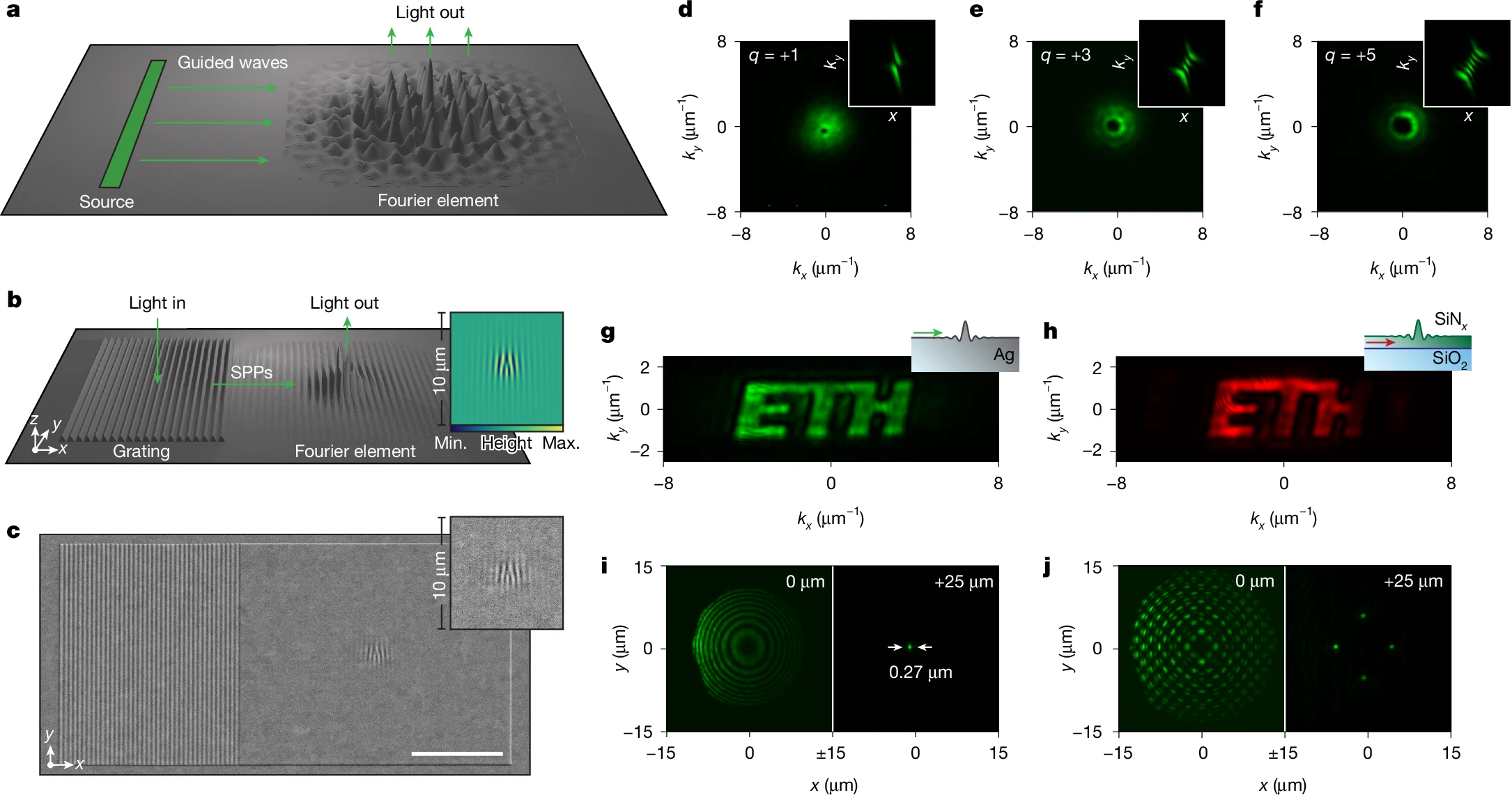
Figure 1, from Glauser et al., "Fourier pixels for bidirectional light control," Nature (2026).
The technology converts incoming light into surface plasmon polaritons, waves that travel along the surface of the chip. At different positions within the pixel, these surface waves scatter back into free-space light waves. By sculpting the pixel surface with mathematically determined patterns derived from Fourier analysis, the researchers can control the interference between these scattered waves to produce specific output images and patterns.
Doctoral student Yannik Glauser explained the key advance: in addition to light intensity, meaning the bright and dark areas from which images are created, the Fourier pixels can control other properties of the light waves, including their polarization. Postdoctoral researcher Sander Vonk contributed to demonstrating that the same pixel architecture works across multiple wavelengths, enabling color generation.
Beyond Intensity
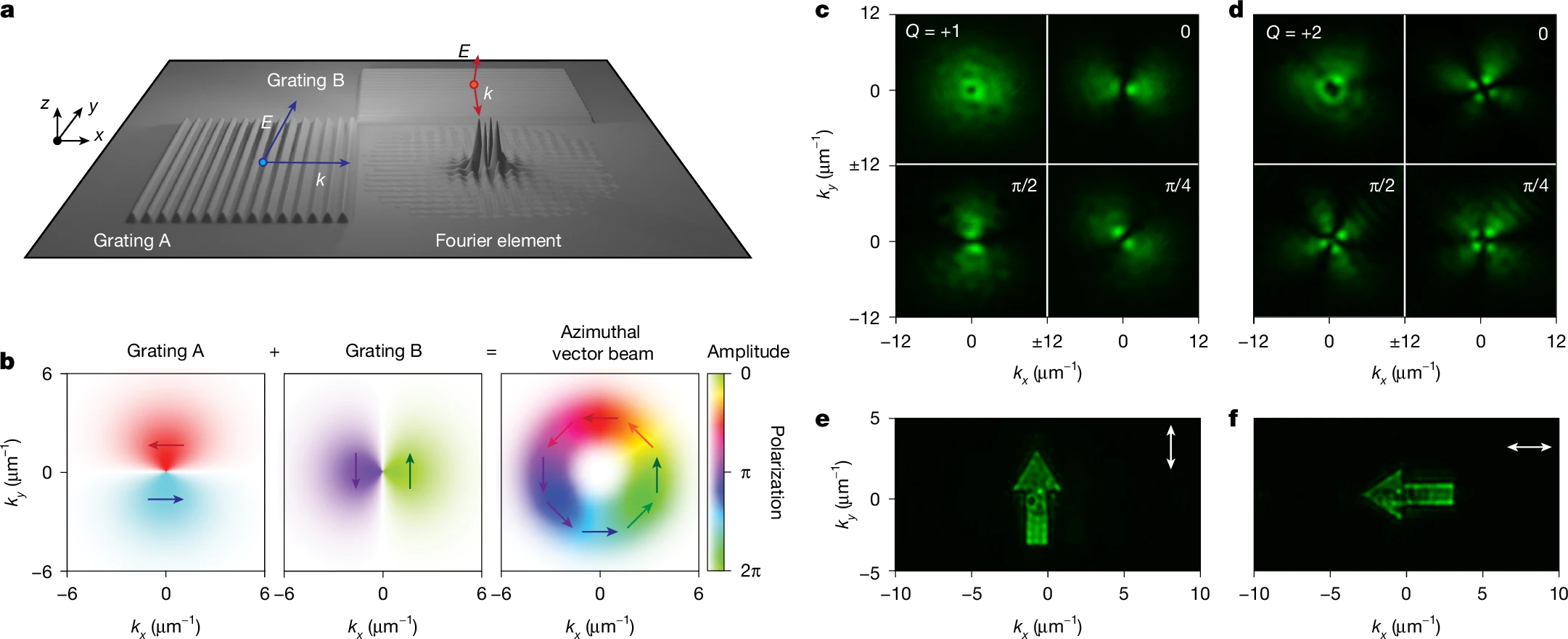
Figure 2, from Glauser et al., "Fourier pixels for bidirectional light control," Nature (2026).
Traditional pixels modulate brightness. Fourier pixels modulate the full description of a light wave: intensity, oscillation phase, and polarization direction. This level of control has not previously been achieved in a single, compact pixel element. The ability to simultaneously read and write all three properties means the pixel can respond to incoming light by generating a tailored outgoing signal.
The team has also shown that the pixel architecture could perform mathematical calculations on-chip, generating output light patterns that are functions of the input. This moves beyond passive sensing or active display toward a pixel that processes optical information locally.
Applications
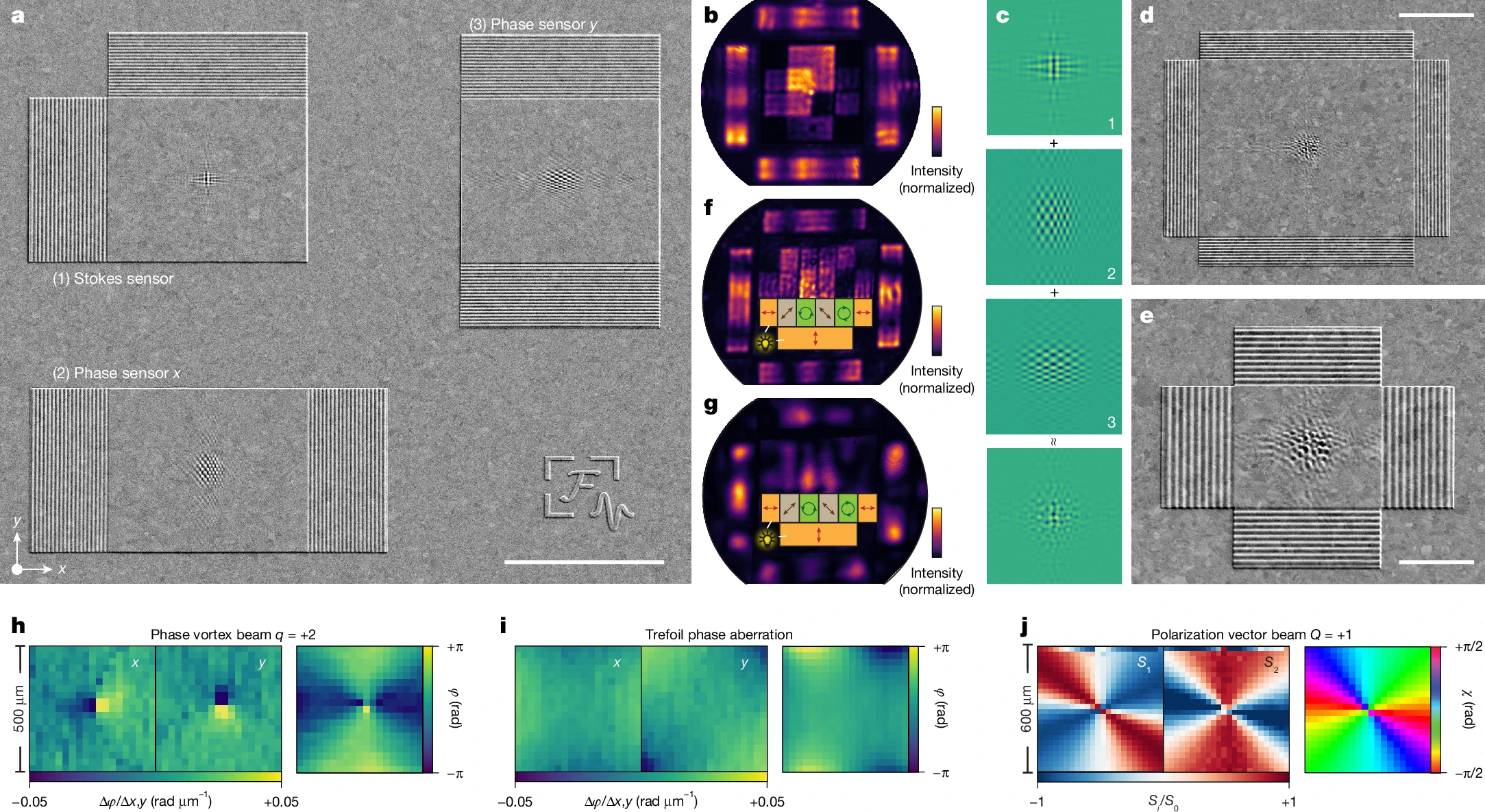
Figure 4, from Glauser et al., "Fourier pixels for bidirectional light control," Nature (2026).
The most immediate application is the two-way camera-display, a screen that can capture an image of the viewer while simultaneously showing content, all from the same pixel array rather than requiring a separate camera module. Television and mobile phone manufacturers have been chasing this capability for years.
Beyond consumer electronics, the technology has implications for fiber-optic communications, where controlling phase and polarization is essential for increasing data throughput. The research has generated a patent application that was nominated for ETH Zurich's 2026 Spark Award.
Source: ETH Zurich News | Nature (DOI: 10.1038/s41586-026-10681-7)